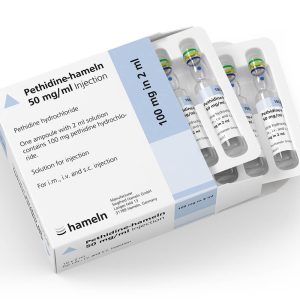
Navigating the realm of pethidine prescribing across Europe can be surprisingly difficult. Unlike some other opioid analgesics, pethidine, also known as meperidine, exhibits a noticeably variable regulatory status and reach from country to country. This guide aims to provide a general overview, though it's crucial to bear in mind that specific regulations are constantly evolving and local interpretation can vary considerably. In some regions, pethidine remains relatively available for pain management, often under strict control measures, while in others, its use has been significantly restricted due to concerns about its adverse effects, particularly the potential for serotonin syndrome when combined with other medications. Crucially, the legal status, including import, export, manufacturing, and distribution, is tightly regulated at both the European Union and national levels, creating a patchwork of rules. This means that a prescription valid in one member state might be entirely untenable elsewhere. Always consult with local healthcare professionals and regulatory bodies for the most up-to-date information regarding pethidine application in a specific European place.
Meperidine in Europe: Rules and Access
Across Europe, pethedine's position is surprisingly complex. While it remains a accepted analgesic in certain circumstances, stringent controls govern its prescription and overall availability. Several countries have implemented measures to curtail diversion due to concerns surrounding its potentially-addictive nature and risk for illicit creation. As an illustration, some nations have moved towards other options with a lower risk profile. Generally, availability is limited to expert medical practitioners and particular healthcare locations, often requiring additional records. Furthermore, reporting requirements are widespread to confirm accountability and deter diversion into unauthorized networks.
Buy Meperidine Online Europe: Hazards and Facts
The allure of convenient access to prescription medications like Pethidine via online platforms in Europe is increasingly prevalent, yet this route carries significant dangers. While some websites may promise private delivery and seemingly low prices, the fact is that obtaining such potent pain relief medication without a legitimate prescription is fraught with peril. Many online pharmacies operating within or targeting the European market are either outright illegal, supplying copyright or substandard medications, or operate in a regulatory gray area, offering no oversight and quality control. This can lead to serious health consequences including allergic reactions, overdose, and addiction. Furthermore, ordering Demerol online without proper medical supervision can mask underlying conditions that require alternative treatment, potentially delaying crucial medical intervention. It’s vital to understand that the legal ramifications for both buyers and sellers in many European countries are substantial, involving sanctions and even imprisonment. Seeking pain management through established, regulated healthcare professionals remains the safest and most responsible approach. Think about the potential consequences before resorting to unauthorized online sources.
Purchasing Meperidine for Sale in Europe
Finding authorized providers for Meperidine within Europe requires extreme caution and adherence to strict legal frameworks. Generally, Meperidine is a controlled drug available only with a valid authorization from a registered physician. Attempts to procure Meperidine from unverified online platforms carries significant hazards, including the possibility of receiving copyright medications, putting at risk your health and possibly leading to criminal repercussions. Regularly consult your doctor regarding pain management alternatives; unauthorized treatment is both dangerous and illegal. Furthermore, be aware of varying rules regarding controlled drugs across EU countries, which can impact access. Thus, prioritize reliable practices and regularly seek medical advice.
The Pethidine Situation: Current Status & Developments
Across the continent, the use and regulatory environment surrounding pethidine remains a complex and evolving area. While historically widely utilized for pain control, there's been a notable decline in its overall usage due to concerns regarding its potential for misuse and the availability of substitute analgesics. Several countries have implemented stricter controls on pethidine dispensing, including limitations on amount and rate. Notably, certain regions are seeing a renewed interest in formulations designed to mitigate the risk of misuse, such as tamper-resistant medications. The ongoing shift towards multimodal pain management is also influencing pethedine prescribing practices, prompting clinicians to closely consider its role within a broader therapeutic strategy. Although the challenges, current research continues to explore the potential for safer and more responsible meperidine utilisation.
Pethedine Issuance in the European Union: What Patients Should To Know
The availability and prescription of Demerol vary significantly within the Continent. Due to concerns regarding its potential for misuse and addiction, many member nations have implemented stricter regulations regarding its use. Several nations have entirely prohibited Pethidine, while others permit its issuance under very specific conditions. The is crucial to recognize that obtaining a prescription for Pethedine is often more challenging than securing medication for alternative pain relievers. Consistently consult with a healthcare professional to consider appropriate pain management options and possible risks associated with Pethedine administration. Moreover, individual education regarding safe handling and disposal of the medication is necessary to prevent the risk of misuse and subsequent risk.
Securing Meperidine Availability Across Europe
The landscape surrounding meperidine access changes considerably across European countries, presenting a difficult picture for both patients and healthcare practitioners. Strict regulations, born from concerns about misuse and illegal distribution, have led to significantly limited availability in many nations. For instance, in some countries, it’s essentially unavailable outside of specialist palliative care settings, requiring substantial reasoning for administration. Conversely, other states maintain slightly more lenient controls, although still typically necessitating careful monitoring and adherence to defined prescription protocols. This disparity underscores the need for unification of policies while respecting individual national approaches to pain alleviation and dependence prevention. Ultimately, understanding the local regulatory framework is paramount for anyone seeking or administering this potent painkiller.
Pethedine Jurisdictional Structure & Limitations in Europe
Across The continent, the jurisdictional system governing pethidin remains complex and subject to varying national interpretations, despite efforts towards harmonization. While pethedine is generally permitted for therapeutic use, significant restrictions are frequently imposed to curb its illicit diversion. Many continental nations have implemented stricter administration guidelines, requiring special licenses and heightened monitoring of both prescribers and patients. Various countries maintain strict import/export restrictions and often categorize pethidine as a controlled substance, directly impacting its availability and requiring detailed record-keeping. The European Medicines Agency (EMA) plays a role in providing guidelines, but national authorities retain considerable autonomy in implementing read more these rules, leading to a patchwork of policies that present challenges for drug manufacturers and complicate cross-border treatment practices. Increasingly, there’s a focus on tackling internet distribution of pethedine as a method to reduce unauthorized use.
Can Pethidine Available Online in The EU? A Detailed Look
The search to procure pethidine, a potent opioid analgesic, through online platforms within continental Europe presents a complex and often precarious situation. Generally speaking, pethidine, also known as meperidine, is heavily restricted and tightly controlled across most continental countries, rendering its permitted online sale or shipping extremely difficult, if not outright forbidden. While distinct websites might falsely advertise its availability, these are frequently scams or operate in violation of local regulations, often targeting vulnerable individuals. Regulations surrounding opioid prescriptions vary significantly between countries within the EU, with strict requirements for both prescribing and dispensing. Therefore, attempting to buy pethidine online from outside a licensed and regulated pharmacy within a specific European country carries significant legal risks and poses a serious health hazard. Any site claiming to offer pethidine for sale should be approached with extreme caution and reported to the relevant authorities.
Strong Painkiller Online Sales in Europe: A Buyer's Beware
The burgeoning popularity of online pharmacies across Europe has unfortunately created a significant loophole for the illicit sale of potent painkillers like pethidine. While the convenience of obtaining required medication from home is appealing, buyers need to exercise extreme caution. Numerous websites claim to offer pethidine, a powerful opioid analgesic, without requiring a valid authorization, a blatant violation of regional regulations. These often-unregulated platforms pose substantial risks, ranging from copyright or adulterated drugs – potentially containing harmful fillers – to the severe legal consequences for both the buyer and the seller. It’s crucial to remember that obtaining pethidine without a legitimate prescription is illegal and carries significant penalties. Buyers should only source drugs from verified, licensed pharmacies operating within their nation's legal framework; otherwise, they are putting their health and safety at serious risk. The risks simply outweigh any perceived convenience.
Pethedine European Pharmacy Regulations and Compliance
Across the European Union, the handling of pethidine, a potent opioid analgesic, is subject to stringent drug regulations designed to prevent diversion and ensure patient safety. These rules, varying somewhat by country, generally mandate meticulous record-keeping, strict prescription controls, and heightened scrutiny of provision practices. Pharmacists must adhere to these local requirements, often involving mandatory reporting of suspicious orders or discrepancies. Furthermore, increasing emphasis is placed on combating the illegal online sale of pethidine, with collaborative efforts between regulatory bodies and law enforcement agencies. Uniform compliance is vital to safeguard public health and prevent the prohibited supply of this controlled drug. Failure to comply can result in severe penalties, including financial sanctions and revocation of credentials. Recent updates often focus on strengthening traceability and improving data exchange between pharmacies and authorities.
Pethedine Usage in Continental Medical Settings
Across European medical areas, pethidine, also known as pethedine hydrochloride, maintains a complex role. While historically commonly utilized for intense pain control, its present prescription and administration face increasing assessment due to concerns surrounding addiction and potentially dangerous drug interactions, especially when combined with other substances like specific serotonin reuptake inhibitors (SSRIs). Distinct countries within Western Europe demonstrate significantly varying approaches; some restrict its use to very specific, carefully monitored scenarios, while others allow broader applications under strict regulations. This reflects a broader shift towards safer, non-opioid alternatives and a greater emphasis on multimodal pain management strategies created to minimize risks and optimize patient outcomes. Consequently, ongoing investigation focuses on identifying suitable replacements and refining pethidine’s role in the modern landscape of pain therapy.
Accessing Pethidine Within the Law?
Navigating the permitted landscape of Meperidine prescriptions across the continent is notably challenging. As a rule, Meperidine is tightly regulated due to fears surrounding its potential for abuse. Therefore, obtaining it legally requires a legitimate medical order from a qualified physician. Right now, access varies considerably from nation to country. While some European nations may allow limited prescriptions for specific ailments, others have imposed more severe controls. Notably, it is crucial to examine the exact rules in the relevant country where you need Meperidine. To summarize, legitimate access is contingent on adhering to the regional regulations.
Pethidine's Background in The Continent
Initially embraced with considerable enthusiasm following its discovery in 1939 by Otto Eisleb, pethidine, also known as meperidine, experienced a period of widespread dispensing across Europe. Its perceived reduced potential for respiratory depression compared to morphine, coupled with its unique analgesic properties, led to its frequent incorporation into medical practices for a range of painful conditions. Throughout the mid-20th century, pethidine was typically employed in obstetrics, post-operative pain alleviation, and the handling of acute injuries. However, growing awareness of its own substantial risks – including potential for dependence, adverse reactions, and interactions with other drugs – gradually prompted a review of its role. Consequently, stricter controls and tighter protocols have been progressively enacted across several countries, leading to a marked decline in its general prescription rates and a move towards alternative analgesic options.
Demerol Alternatives in Europe: Options for Discomfort Management
Across various European countries, the use of pethedine is frequently under scrutiny, prompting a search for viable alternatives for acute pain therapy. Clinicians are carefully exploring several options, including codeine, often in combination with alternative analgesics like panadol or ibuprofen. Moreover, regional guidelines vary considerably; for instance, some nations might favor MST for post-operative pain, while others prioritize a multi-modal approach incorporating nerve blocks or epidural anesthesia. Consequently, a thorough evaluation of the patient's condition and pain characteristics is essential when selecting an appropriate medication.
Pethidine and European Healthcare Systems: A Comparative Analysis
The presence of pethidine, a potent pain reliever, reveals intriguing disparities across European healthcare systems. While historically commonly utilized for acute pain management and obstetrics, its standing has suffered due to safety concerns surrounding respiratory depression and potential for misuse. A thorough examination demonstrates that states like the United Kingdom and Germany maintain stricter restrictions on pethidine prescription, often favoring alternative pain medications such as tramadol or codeine, driven by updated protocols and a focus on patient safety. Conversely, in certain Eastern European countries, pethidine remains more readily obtainable, reflecting differing historical approaches to pain therapy and varying degrees of regulatory oversight. This analysis highlights the complex interplay of historical context, regulatory frameworks, and evolving drug safety strategies shaping pethidine’s role within diverse European healthcare landscapes.
Pethidin Importing and Exporting Regulations in Europe
The movement of pethedine across European borders is subject to stringent restrictions due to its potential for abuse and its status as a scheduled substance. Every member state of the European Union implements its own particular legislation regarding importing and exporting, although these are generally aligned with international treaties, particularly the Single Convention on Narcotic Drugs. Receiving the necessary licenses from both the exporting and importing countries is essentially vital, and customs inspectors rigorously enforce these provisions. Moreover, documentation must be carefully prepared and compliant with all relevant guidelines, including detailed records of the amount, intended recipient, and purpose of the therapeutic use. Failure to adhere to these detailed procedures can result in significant penalties, including seizure of the medication and legal proceedings. Finally, a deep understanding of both national and international laws is critical for any entity involved in the international movement of pethedine.
Procuring Nalgesic Access Legally in Europe
The growing demand for Pethidine across European countries has, unfortunately, fueled a trade for illegal sources, posing serious dangers to both patients and public health. Procuring this controlled medication through unverified channels can expose individuals to adulterated products, contamination, and possibly harmful consequences. Individuals needing Pethidine should focus on obtaining it through legitimate medical channels. This includes consulting a licensed physician who can assess the requirement for the medication and recommend it through a reputable pharmacy. It is vital to understand the penalties of obtaining regulated drugs from underground sources. Always verify the pharmacy’s credentials and ask for information about the medication’s source and producer.
European Analgesic Sector: Trends and Challenges
The European pethidine industry is currently experiencing a complex interplay of forces. A growing elderly population, coupled with growing awareness of chronic pain management, is driving demand for effective analgesics. However, strict regulatory policies across various EU nations pose a significant impediment. The rise of alternative pain relief therapies, including non-opioid analgesics and advanced interventional procedures, is also altering the landscape. Furthermore, concerns regarding the potential for abuse and dependence remain paramount, leading to tighter controls on pain relief dispensation and production processes. Ultimately, the prospects of the European pethidine sector will depend on the ability of stakeholders to navigate these challenges and to maintain safe and responsible pain relief practices.
Pethidine: An Overview of Pain Relief in Europe
Across European continent, pethidine, also known as meperidine in various areas, has historically played a significant role in managing moderate to severe aches. While its use has increasingly declined due to concerns regarding undesirable effects, particularly neonatal respiratory depression when administered to pregnant females, it remains utilized in specific settings. Present guidelines in quite a few European clinical systems emphasize careful prescribing and individual education, alongside a shift towards non-opioid analgesics. Furthermore, official bodies throughout Europe are closely monitoring pethidine usage to reduce the likely for abuse and associated hazards.